
Your colon absorbs water, forms stool, and moves waste toward the rectum. A healthy colon performs these tasks without routine cleansing. Fiber, enough fluids, physical activity, and appropriate medical care support bowel health.
Understanding how the colon works also helps you evaluate colon cleansing. Colon hydrotherapy empties bowel contents during a session. It does not replace everyday bowel care, diagnostic testing, or your doctor’s colonoscopy preparation plan.
What the colon does in your digestive system
Your small intestine absorbs most nutrients from food. The remaining material enters the large intestine, which includes the cecum, colon, and rectum. These terms describe related structures, but the colon and the entire large intestine are not identical.
The colon has several roles:
- Absorb water from the material left after digestion.
- Help turn this material into stool.
- Move stool through coordinated muscle contractions, called peristalsis.
The rectum stores stool before a bowel movement. Nerves and muscles coordinate the urge to go and the release of stool.
Gut bacteria also help break down remaining food components. Your gut microbiome includes these bacteria and other microorganisms involved in digestion.
The NIDDK explanation of the digestive system describes how the intestines, nerves, and digestive organs work together.
What intestinal cleansing means
People use “intestinal cleansing” for several procedures. Their purposes and methods differ:
- Colonoscopy bowel preparation uses a prescribed plan to clear stool so a doctor sees the bowel lining during an examination.
- An enema introduces liquid into the rectum, usually affecting the lower bowel. A clinician sometimes recommends one for a specific medical reason.
- Colon hydrotherapy, also called a colonic or colonic irrigation, introduces water through a rectal tube to empty bowel contents.
Colon hydrotherapy targets the large intestine. It does not cleanse the stomach or small intestine, and it does not perform the function of a colonoscopy.
Does your colon need routine detoxification
No. Your digestive tract moves waste out through normal bowel movements. Your liver and kidneys also process and remove waste. Routine colon cleansing has no established role in detoxifying a healthy body.
The National Center for Complementary and Integrative Health review of detoxes and cleanses reports limited clinical evidence for colonic irrigation and insufficient evidence for its proposed uses. Emptying stool does not establish toxin removal, disease prevention, or lasting improvement in digestive function.
Constipation deserves attention, but it does not automatically indicate a need for cleansing. Look for its cause and discuss persistent symptoms with your healthcare professional.
Daily habits for bowel health
Add fiber gradually
Fiber supports stool formation and passage. NIDDK lists a daily intake of 22 to 34 grams for adults, depending on age and sex. Increase your intake gradually to limit gas and bloating.
Choose foods such as oatmeal, beans, lentils, vegetables, berries, and pears. For example, add oatmeal at breakfast or lentils to soup before changing several meals at once. If you have a digestive condition or a prescribed diet, ask your clinician about your fiber needs.
Drink enough fluids
Fluids help fiber work and support softer stool. Your needs depend on your health, activity, and environment. Follow any fluid limits your doctor sets for heart or kidney disease.
See NIDDK guidance on fiber and fluids for constipation for food choices and hydration advice.
Make time for movement and bowel habits
Regular physical activity helps some people manage constipation. Choose an activity suited to your health, such as walking. Respond to the urge to use the bathroom and allow enough time without rushing.
A consistent bathroom routine after breakfast helps some people establish regular bowel habits. Eating stimulates movement in the colon. Discuss medication-related constipation with your doctor rather than stopping a prescription yourself.
NIDDK constipation treatment guidance covers lifestyle steps and medical treatment when symptoms continue.
When bowel symptoms need medical attention
Constipation involves more than bowel movement frequency. Hard or lumpy stool, painful passage, straining, or a sense of incomplete emptying also deserve attention. Your usual pattern matters.
Contact a healthcare professional if symptoms persist despite self-care. Seek medical care right away for constipation with:
- Rectal bleeding or blood in your stool.
- Constant abdominal pain, vomiting, or fever.
- Inability to pass gas.
- Weight loss without trying.
These NIDDK warning signs call for medical evaluation. Do not use a colonic to delay diagnosis.
Our article on colon hydrotherapy for constipation in Bellevue discusses the appointment experience. Colon hydrotherapy does not replace evaluation or treatment for ongoing constipation.
What colon hydrotherapy does and where its limits matter
During a colonic, water enters through a rectal tube and leaves with bowel contents. European Rejuvenation Center uses the open LIBBE system at its Bellevue location.
An appointment offers an opportunity to ask about the equipment, privacy, and procedure. Emptying stool during a session does not establish a long-term health benefit. Research has not established routine colon hydrotherapy as treatment for digestive disease or as a method for restoring the microbiome.
For more context, read what to expect from colon hydrotherapy and what the evidence says. Our colon hydrotherapy service page describes the LIBBE system and appointment process.
Safety and contraindications before a colonic
Colon hydrotherapy carries risks. These include cramping, diarrhea, dehydration, infection, electrolyte changes, and a tear in the rectum. Mayo Clinic’s colon cleansing guidance explains these risks and advises speaking with your healthcare professional first.
Health conditions affect suitability. Gastrointestinal disease, prior colon surgery, severe hemorrhoids, kidney disease, and heart disease increase concern. Share your medical history and medication list before booking.
Review ERC’s colon hydrotherapy contraindications with your healthcare professional. A screening conversation does not eliminate procedural risk.
If you proceed after discussing suitability, review how to prepare for colon hydrotherapy and confirm current instructions with ERC. Follow your clinician’s advice on fluids, food, and medications. Avoid self-directed fasting, fluid restriction, or additional laxatives.
Colon cleansing and colonoscopy preparation
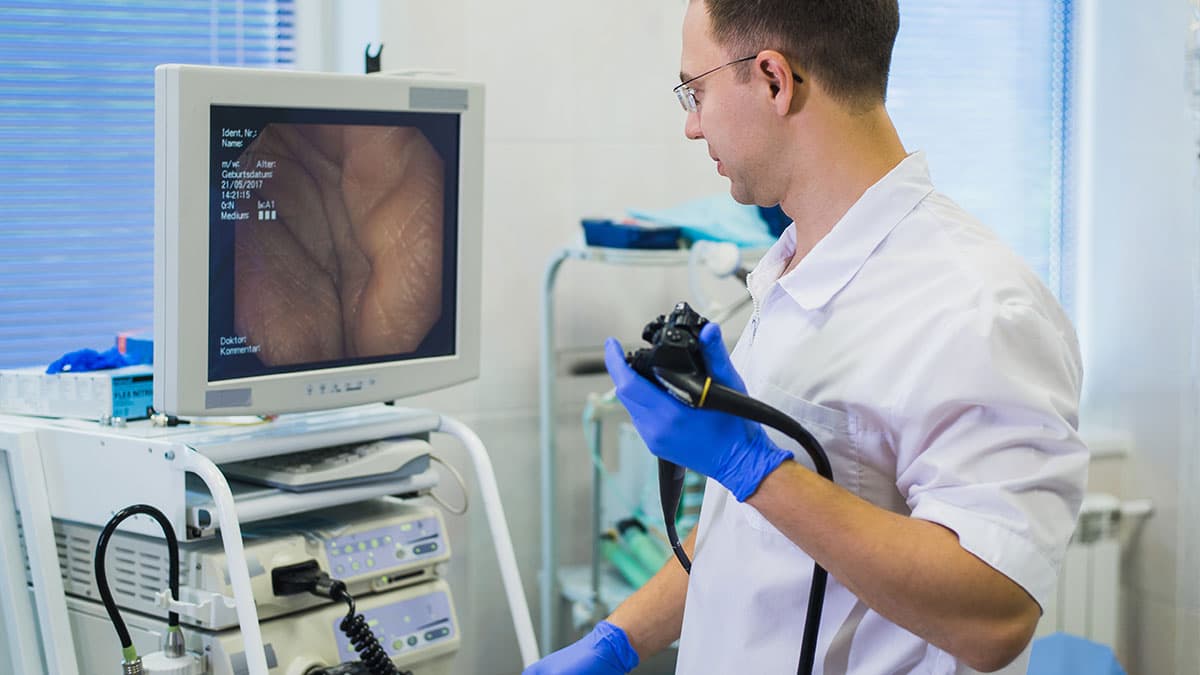
Colonoscopy preparation serves a specific medical purpose. The doctor needs a clear view of the colon lining to identify polyps and other abnormalities. Follow the written plan from your endoscopy team.
Current US Multi-Society Task Force bowel preparation recommendations favor split-dose bowel preparation for most patients. Your team selects the regimen, diet, and timing for your situation.
Do not replace prescribed preparation with a colonic or add colon hydrotherapy on your own. Ask your endoscopy team to approve and direct any change. If a preparation product causes problems, contact the team for an alternative plan.
Our colonoscopy preparation tips for Bellevue patients provide supporting information. Your endoscopy team’s instructions take priority.
Keep colorectal cancer screening on your care plan
Colon hydrotherapy does not screen for colorectal cancer or remove polyps. Screening requires an appropriate medical test.
The US Preventive Services Task Force recommends colorectal cancer screening for adults ages 45 to 75 at average risk. Adults ages 76 to 85 should discuss screening based on health, prior screening, and preferences. A family history or other risk factors sometimes require an earlier or different plan.
Colonoscopy is one screening option. Stool tests also form part of screening programs. Discuss the test and schedule suited to your risk with your clinician. Symptoms require evaluation regardless of age.
Questions about colon function and cleansing
Ask about colon hydrotherapy in Bellevue
If you are considering a session, speak with your healthcare professional about suitability. Contact European Rejuvenation Center to discuss its equipment, contraindications, and appointment process.
Call (425) 746-6100. Visit 4315 Factoria Blvd SE, Suite A, Bellevue, WA 98006.
This article provides general education. It does not replace medical advice, diagnosis, or treatment.

The European Rejuvenation Center® is led by Celina Toczydlowska, a colon hydrotherapist certified by the Washington State Department of Health. She is a member of the International Association of Colon Hydrotherapy (I-ACT) and a certified Endermologie® technician, bringing years of professional experience in digestive health and body wellness.